Meet Sejal Antal, ’26 Grad
June 9, 2026
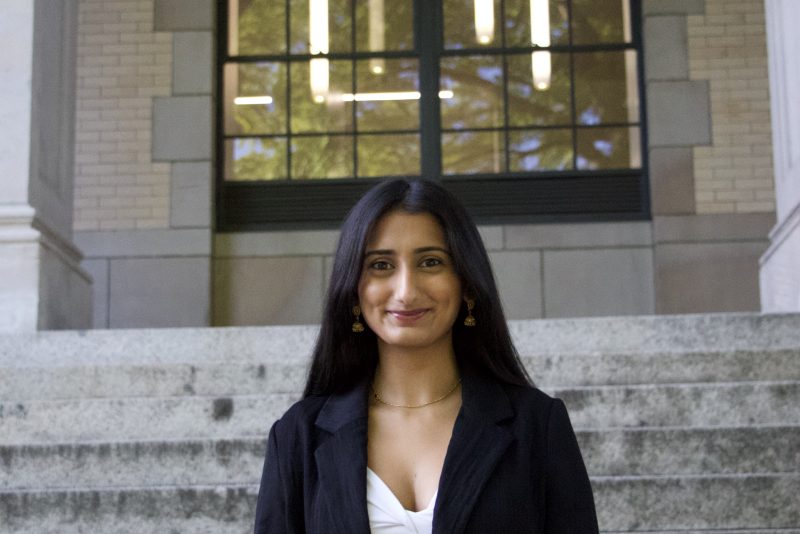
Sejal Antal is an international studies and political science major and human rights minor in the graduating Class of 2026. During her time at UW, Antal performed various leadership roles
June 9, 2026
Sejal Antal is an international studies and political science major and human rights minor in the graduating Class of 2026. During her time at UW, Antal performed various leadership roles
June 9, 2026

Kalisha Dent, an international studies major and Korean language minor, is graduating in this year’s class of 2026. We sat down to discuss her reflections on academics, time spent abroad,
June 3, 2026
[MUSIC PLAYING – “Merci Kylian” by Laurent Dubois] Ron Krabill: Hello, and welcome to the podcast of the Global Sport Lab. I’m Ron Krabill and I’m your host, as well
May 27, 2026
[MUSIC PLAYING – “Merci Kylian” by Laurent Dubois] Ron Krabill: Hello, and welcome to the fourth episode of the podcast of the Global Sport Lab. I’m Ron Krabill and I’m
May 20, 2026
[MUSIC PLAYING – “Merci Kylian” by Laurent Dubois] Ron Krabill: Hello and welcome to episode eight of the Global Sport Lab Podcast. I’m Ron Krabilll, and I’m your host, as well as the Director of
May 18, 2026
[MUSIC PLAYING – “Merci Kylian” by Laurent Dubois] Ron Krabill: Hello and welcome to episode nine of the Global Sport Lab Podcast. I’m Ron Krabill, and I’m your host, as
May 18, 2026
[MUSIC PLAYING – “Merci Kylian” by Laurent Dubois] Ron Krabill: Hello, and welcome to the fifth episode of the Podcast of the Global Sport Lab. I’m Ron Krabill and I’m
October 15, 2025
Hard as it is to believe, it is the autumn quarter of the Henry M. Jackson School’s one hundred and sixteenth year. For more than a century we have been,
June 2, 2025

This March, 23 University of Washington undergraduates swapped lecture halls for policy think tanks as they traveled to Washington D.C. for the Jackson School of International Studies’ inaugural D.C. spring
April 25, 2024
SPRING QUARTER 2025 TASK FORCE ROME STUDY ABROAD OPPORTUNITY!!! JSIS/LSJ Rome: Human Rights and Social Inclusion: Disability, Age, and Gender Program dates: Spring Quarter, March 31 – June 6, 2025