Program Start Date: Nov 19 2026
Location: THO 317
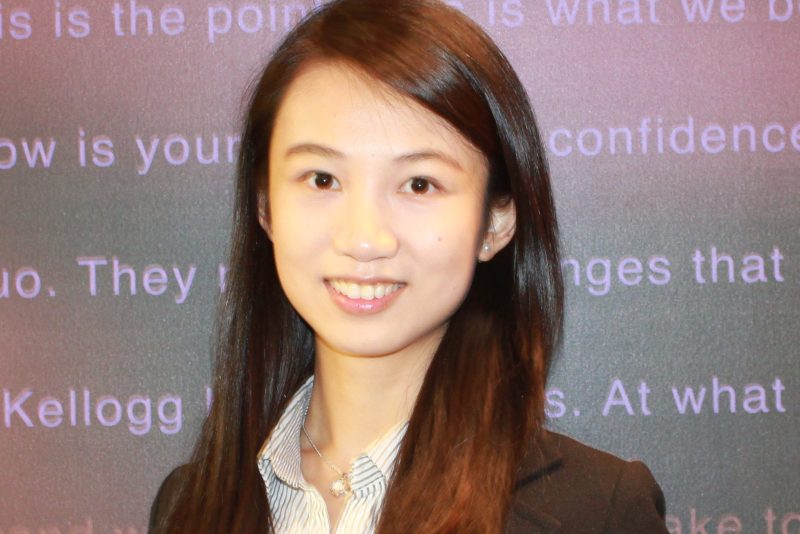
The Political Great Divergence Join us for a talk with Clair Yang, Long Endowed Assistant Professor of Political Economy at the UW Henry M. Jackson School of International Studies. Abstract: This talk examines the historical political divergence between China and Europe. While both regions experienced repeated shifts in territorial unification, political stability, and institutional development in
Program Start Date: Oct 28 2026
Location: THO 317
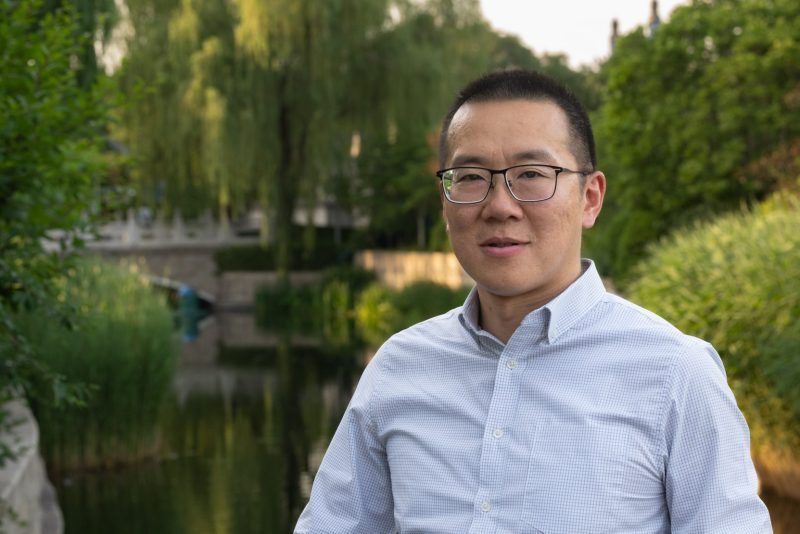
Covering Asia in the Age of Trump, Xi and Kim Join us for a talk with Jonathan Cheng, China bureau chief for The Wall Street Journal on October 28, 2026. The U.S. faces more challenges in East Asia than it has seen in decades: An ascendant China that is threatening American dominance of geopolitics, economics
Program Start Date: Oct 22 2026
Location: THO 317
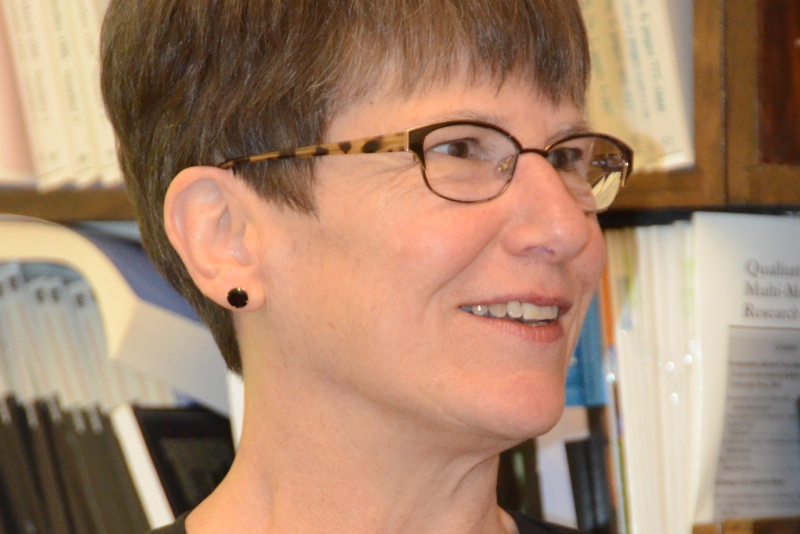
Join us on October 22 as Susan Whiting discusses her new book, ‘Illiberal Law and Development: Property Rights and Conflict Over Land in China’ (Cambridge University Press 2026). Date: Thursday, October 22, 2026 Time: 3:30 – 5 p.m. Location: Thomson Hall 317, University of Washington Susan Whiting (Ph.D., Michigan; B.A., Yale) is Professor of Political Science at
Program Start Date: Oct 14 2026
Location: THO 317
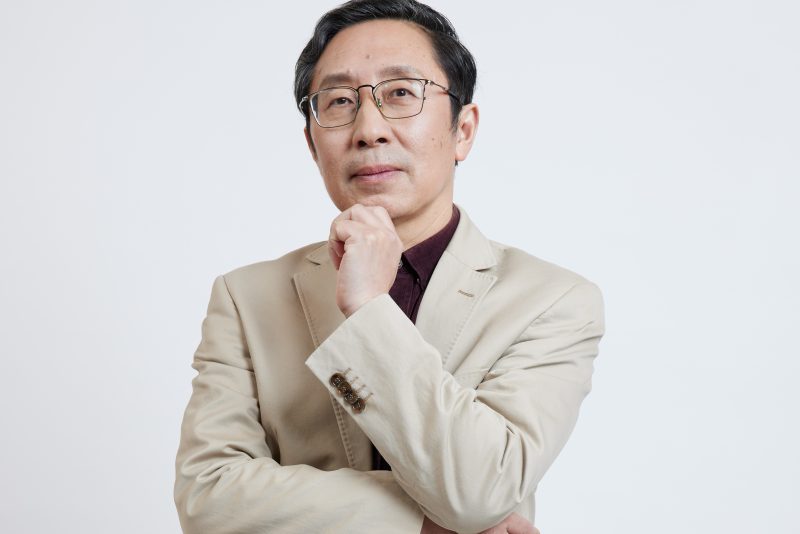
Join us for a talk with Xu Jilin, Professor of History at East China Normal University on October 14, 2026. Over the past four decades, China has witnessed a shift in its public sphere, transitioning from a period of flourishing to one of decline. Conversely, the realms of culture, arts, and private life have remained
Program Start Date: May 27 2026
Location: East Asia Library Seminar Room
Join us for a book talk with University of Washington Dau-lin Hsu Endowed Professor of History and International Studies Matthew Mosca on May 27, 2026. The Mongol Empire changed the world, but early chronicles of its conquests, written from regional perspectives and widely dispersed, could not convey its far-reaching significance. The Khan and the Unicorn (Harvard
Program Start Date: May 14 2026
Location: Thomson Hall 317
Please join the China Studies Program for a special colloquium with Yidi Wu, O’Briant Developing Professor and Associate Professor of History at Elon University. Thursday, May 14, 2026 Noon – 1:30 PM Why do liberal arts colleges no longer exist in China today? The answer to this question lies in the Communist reform of higher education in 1952. In Chinese,
Illiberal Law and Development: Property Rights and Conflict Over Land in China In her new book, ‘Illiberal Law and Development: Property Rights and Conflict Over Land in China’ (Cambridge University Press 2026) Susan Whiting, University of Washington Department of Political Science, advances institutional economic theory with original survey and fieldwork data by addressing two puzzles in
Program Start Date: Mar 16 2026
Location: Thomson Hall 317
Join us for a lunchtime talk with Nianshen Song Monday, March 16 at 12:00 – 1:20 PM. What can one neighborhood reveal about the making of a modern nation? This talk deciphers the unexpected significance of Xita, a half-square-mile quarter in Shenyang, in Northeast China. It shows that over nearly four centuries, Xita has been
Program Start Date: Mar 9 2026
Location: East Asia Library, Room 2M
Join us on March 9 for a lunchtime talk with Professor Ben Hillman, Director of Australian National University’s Australian Centre on China in the World and Editor of The China Journal. REGISTER HERE During the past decade China’s leaders have asserted more centralized control over the PRC’s vast bureaucracy through stricter discipline and accountability mechanisms,